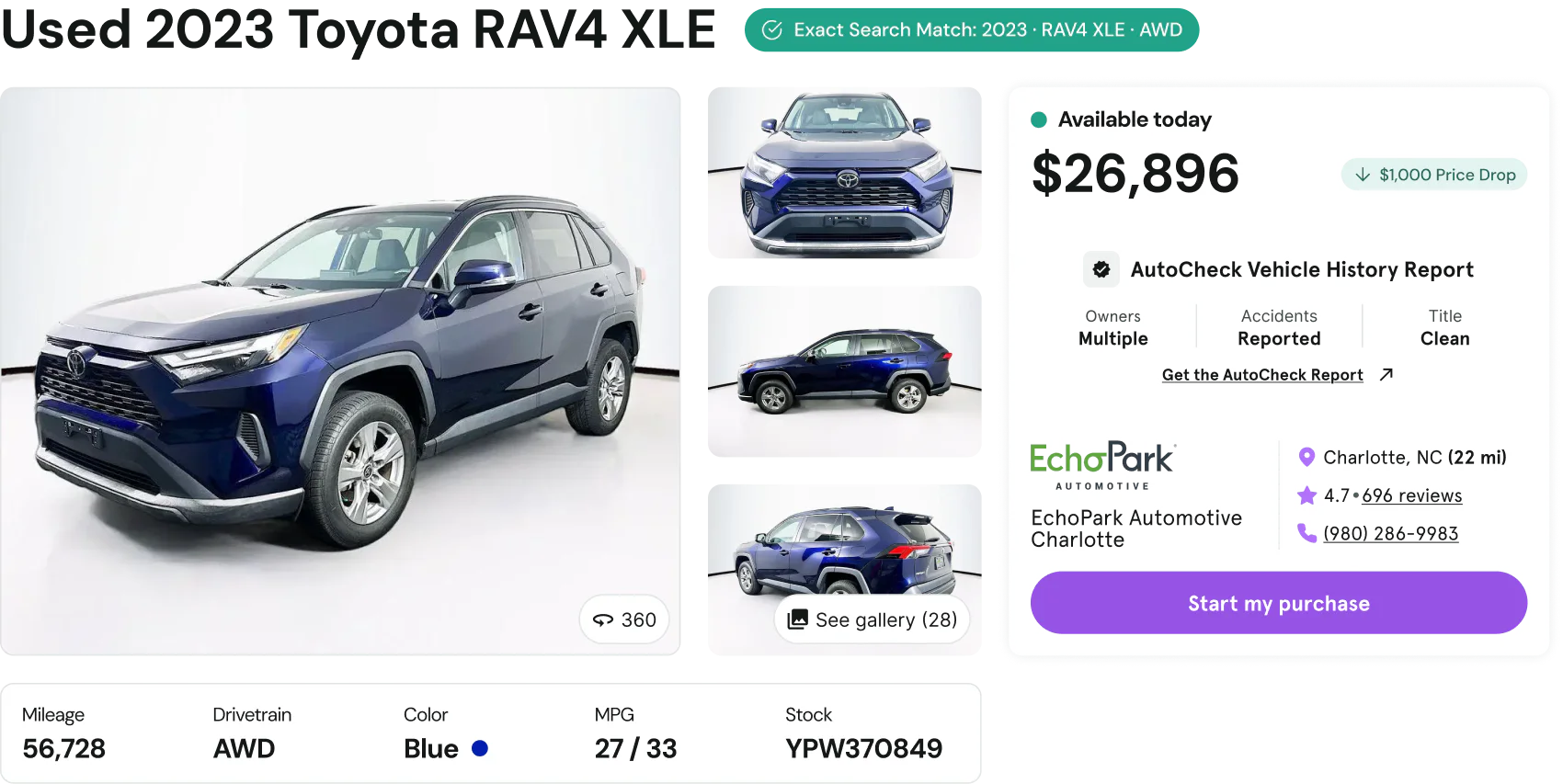
EXACT MATCH · CONFIRM THE VEHICLE AND ACCELERATE ACTION
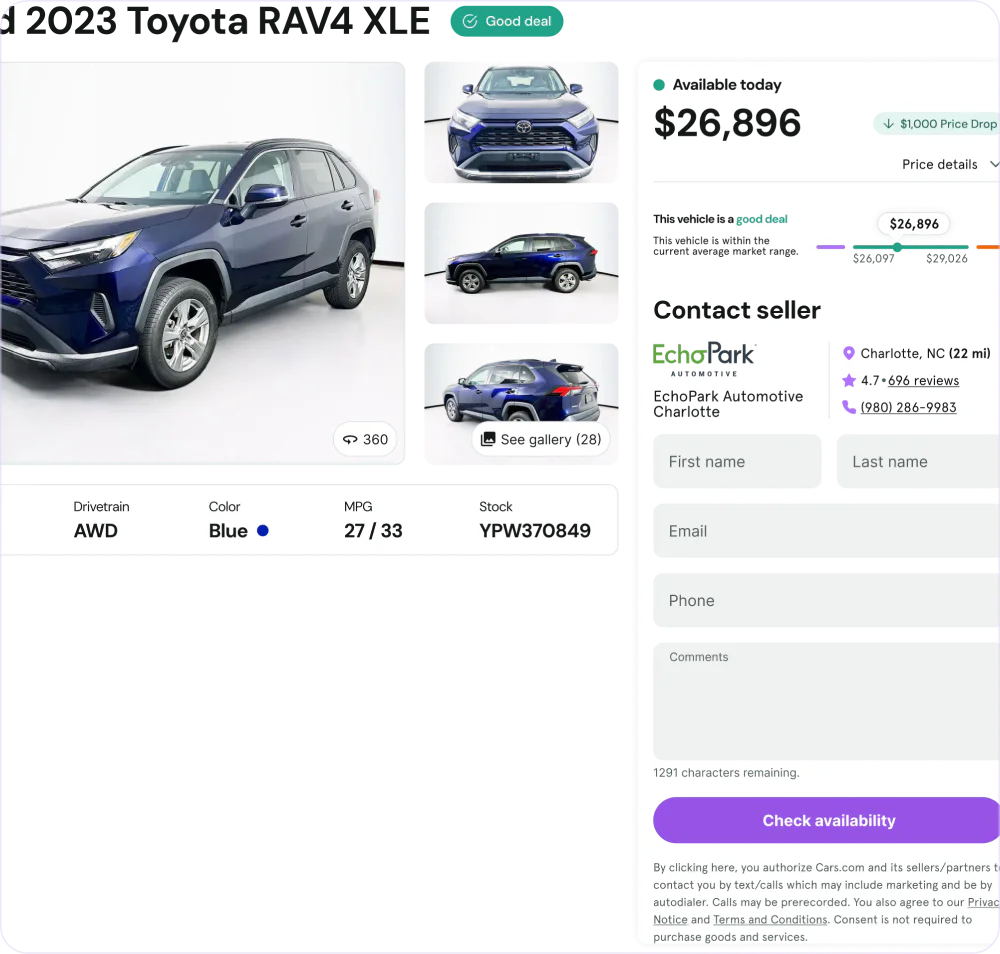
The match is explicit, trust evidence is elevated, and the primary action moves from generic contact to starting the purchase.
CARS.COM MARKETPLACE · STRATEGIC PRODUCT SYSTEM
I used AI to explore shopper needs, then narrowed the work to two decisions: confirm this exact vehicle or find the best fit for a monthly budget. I designed one VDP whose order and next action could change without redrawing the whole page.
AI-ASSISTED DISCOVERY → ONE TRUSTED SHELL → TWO DECISION PATHS
EXACT MATCH · CONFIRM THE VEHICLE AND ACCELERATE ACTION
The match is explicit, trust evidence is elevated, and the primary action moves from generic contact to starting the purchase.
AI-ASSISTED DISCOVERY
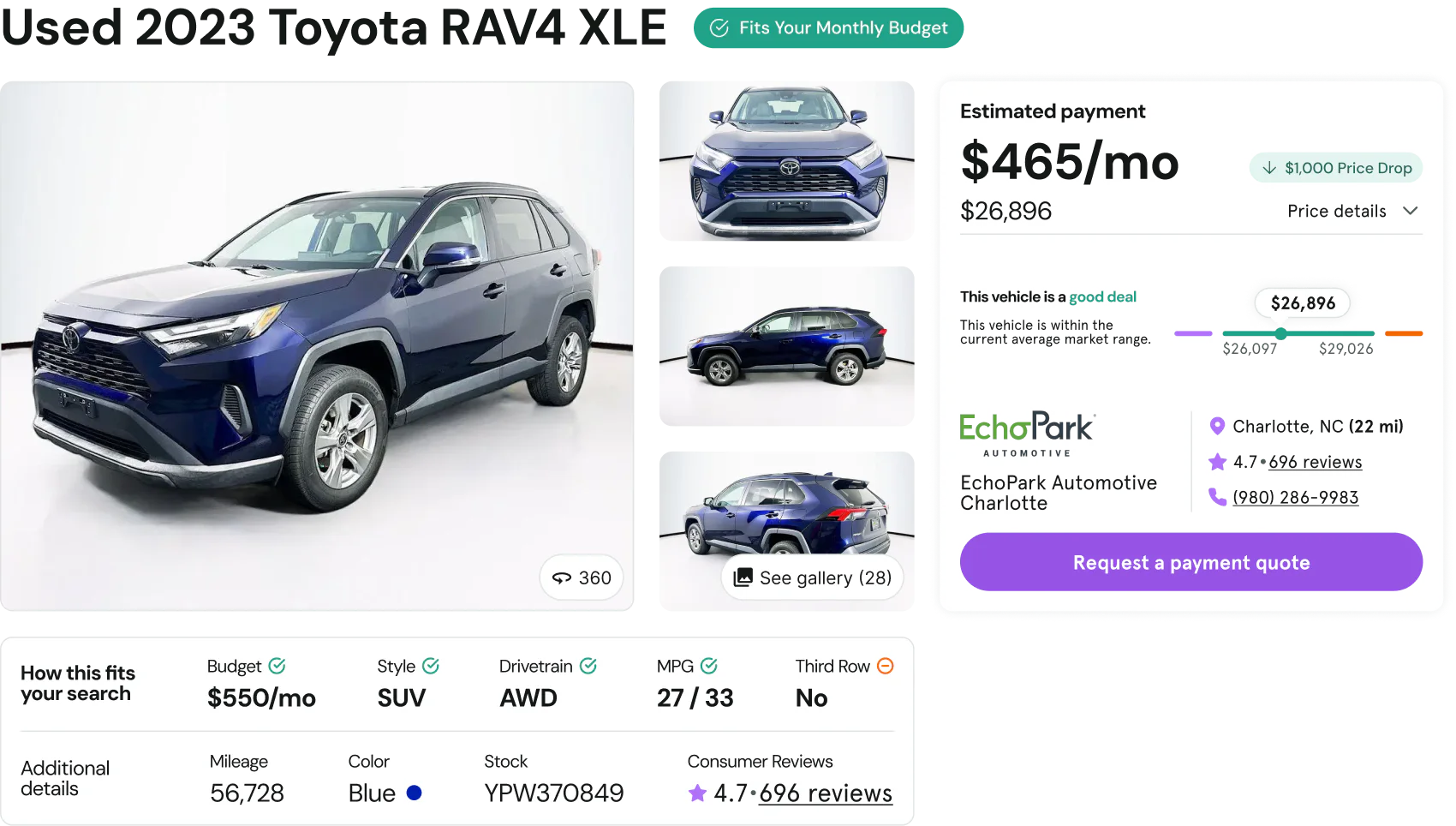
PAYMENT FIRST · ORGANIZE AROUND THE CONSTRAINT
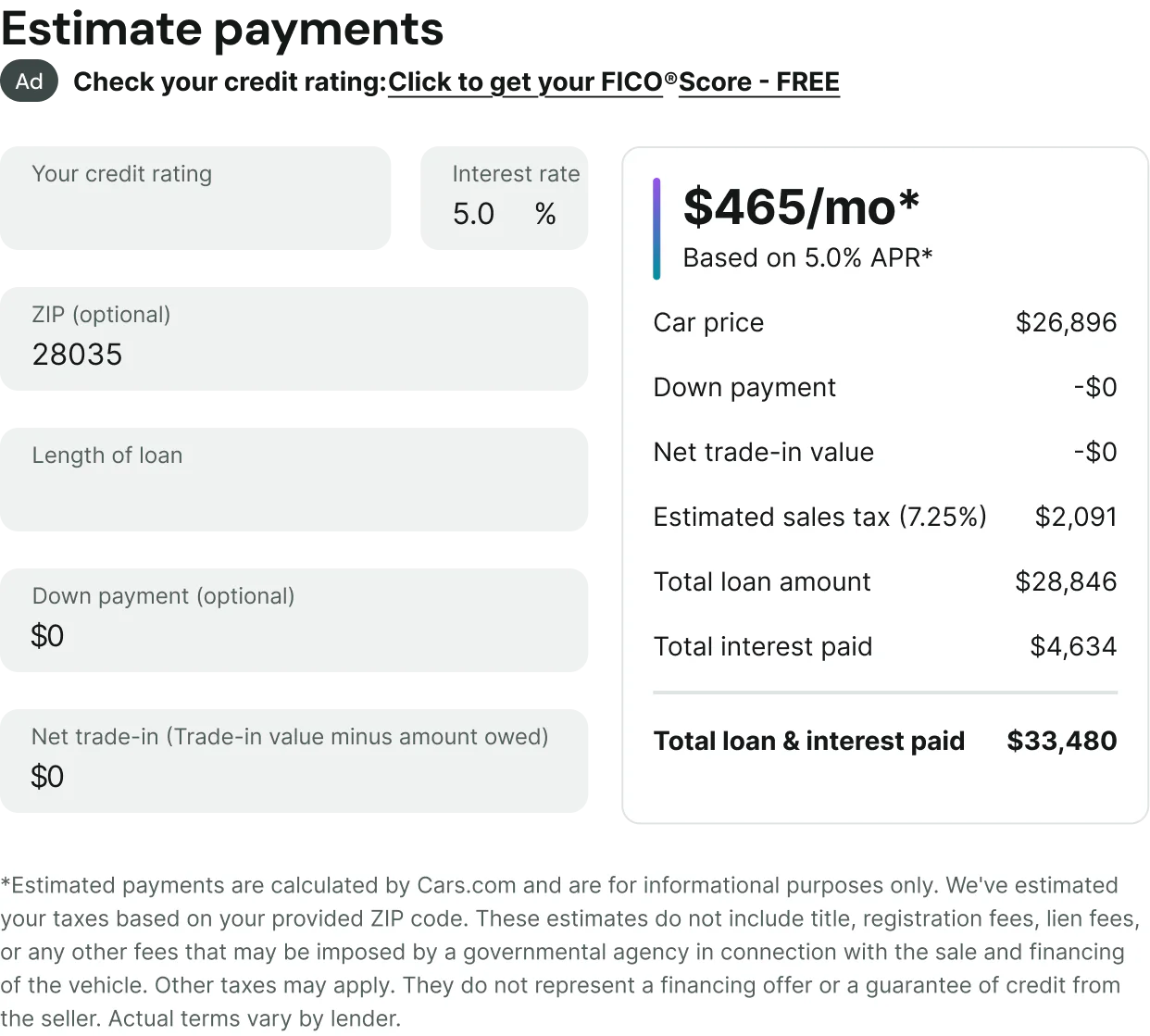
Monthly budget leads; tradeoffs and alternatives stay visible before a quote request.
SYSTEM
FROM ONE FIXED PAGE TO A GOVERNED DECISION SYSTEM
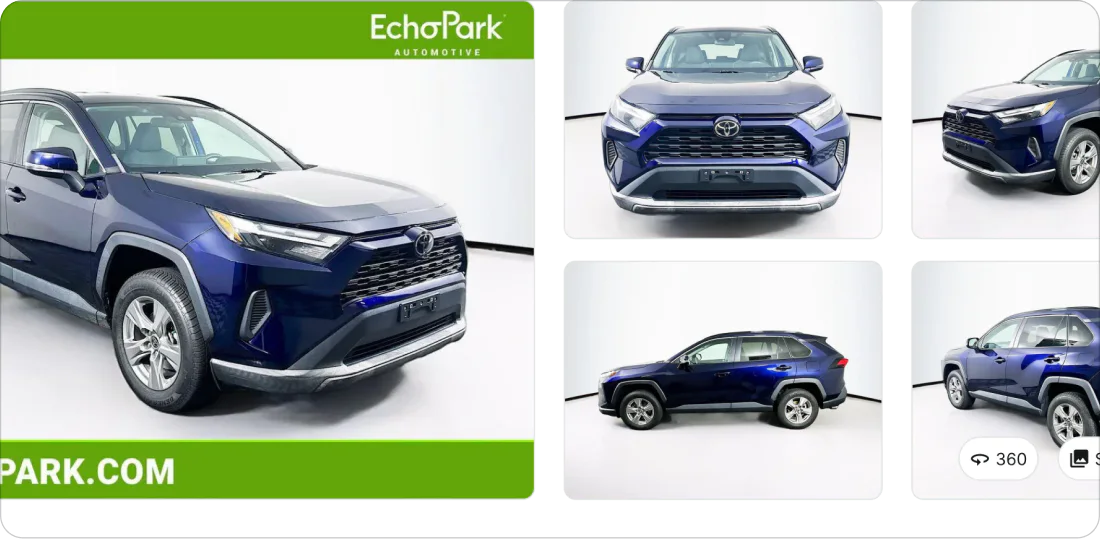
Every shopper saw the same hierarchy, form, and module order. I separated the facts that had to stay stable from the decision support teams could configure and test.
BEFORE · INHERITED EXPERIENCE · NOT MY DESIGN
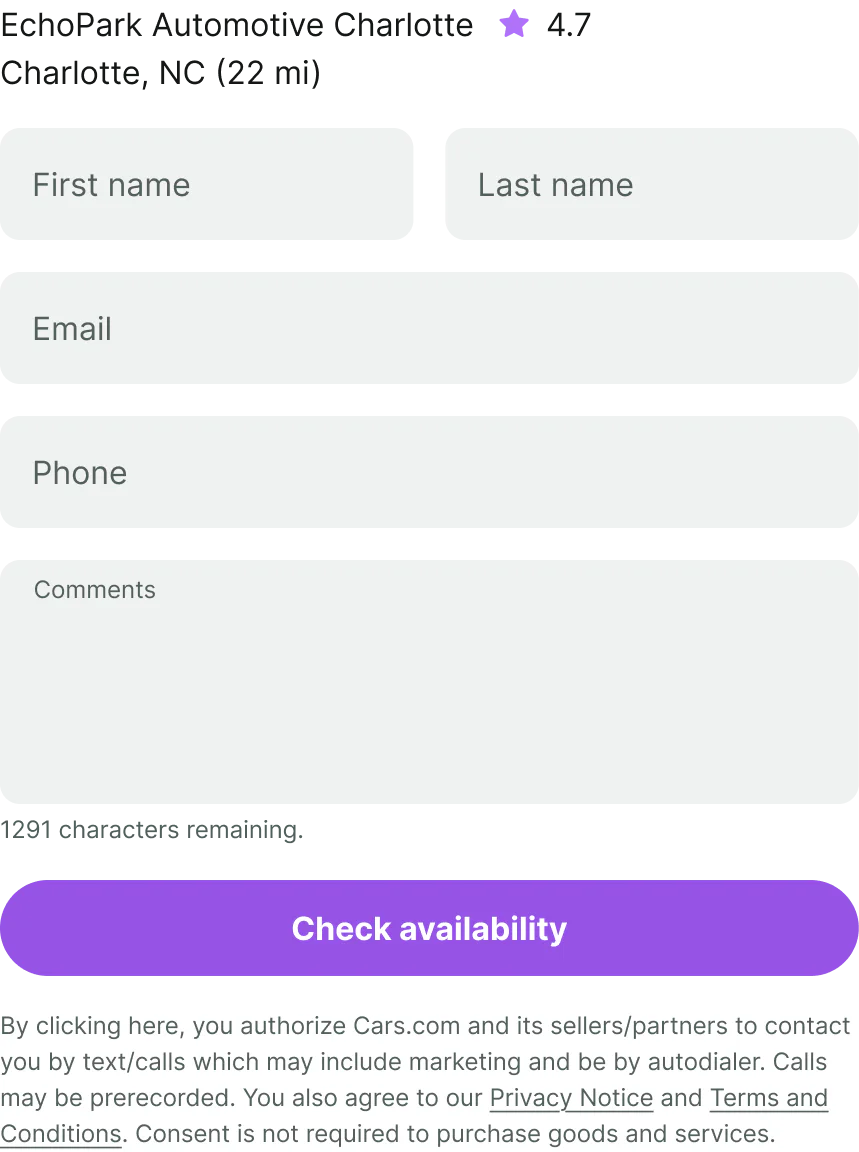
AFTER · GOVERNED DEFAULT
AI-ASSISTED DISCOVERY · HUMAN JUDGMENT
AI helped me compare behavior, surface likely objections, and pressure-test the audience ideas. I used the strongest patterns to define two decision jobs the team could recognize and test.
EXACT-MATCH SHOPPER
PAYMENT-FIRST EXPLORER
ONE SYSTEM · TWO DECISION PATHS
Both versions use the same vehicle, price, dealer, availability, and history. Only the order of proof, primary action, and fallback change to match the shopper’s decision.
TESTING ARCHITECTURE · CONFIGURE, DO NOT REDRAW
The shell stayed fixed. Each test changed only the modules tied to the hypothesis, which made versions easier to compare and the learning easier to reuse.
What pattern might matter?
What is the shopper resolving?
Which approved behavior fits?
What order, proof, and action change?
What did the controlled change teach us?
Move history and same-model fallback ahead of financing.
Move payment controls and under-budget inventory ahead of deep proof.
Keep the full lead form when seller contact is already the job.
WHAT THE WORK REQUIRED
Strengthen the universal VDP before introducing model-driven states.
Change the page for the decision someone is making, not a marketing persona.
Make the recommendation, match, or budget logic visible to the shopper.
Preserve inventory truth, alternatives, reversibility, and dealer accountability.
Personalization earns its place only when it reduces decision work without reducing the shopper’s agency.
THE PROPOSAL
The result was one dependable vehicle page with four approved modes. Teams could change hierarchy, proof, tools, alternatives, and calls to action without rebuilding the page or changing the underlying facts.